
Nutrition Basics
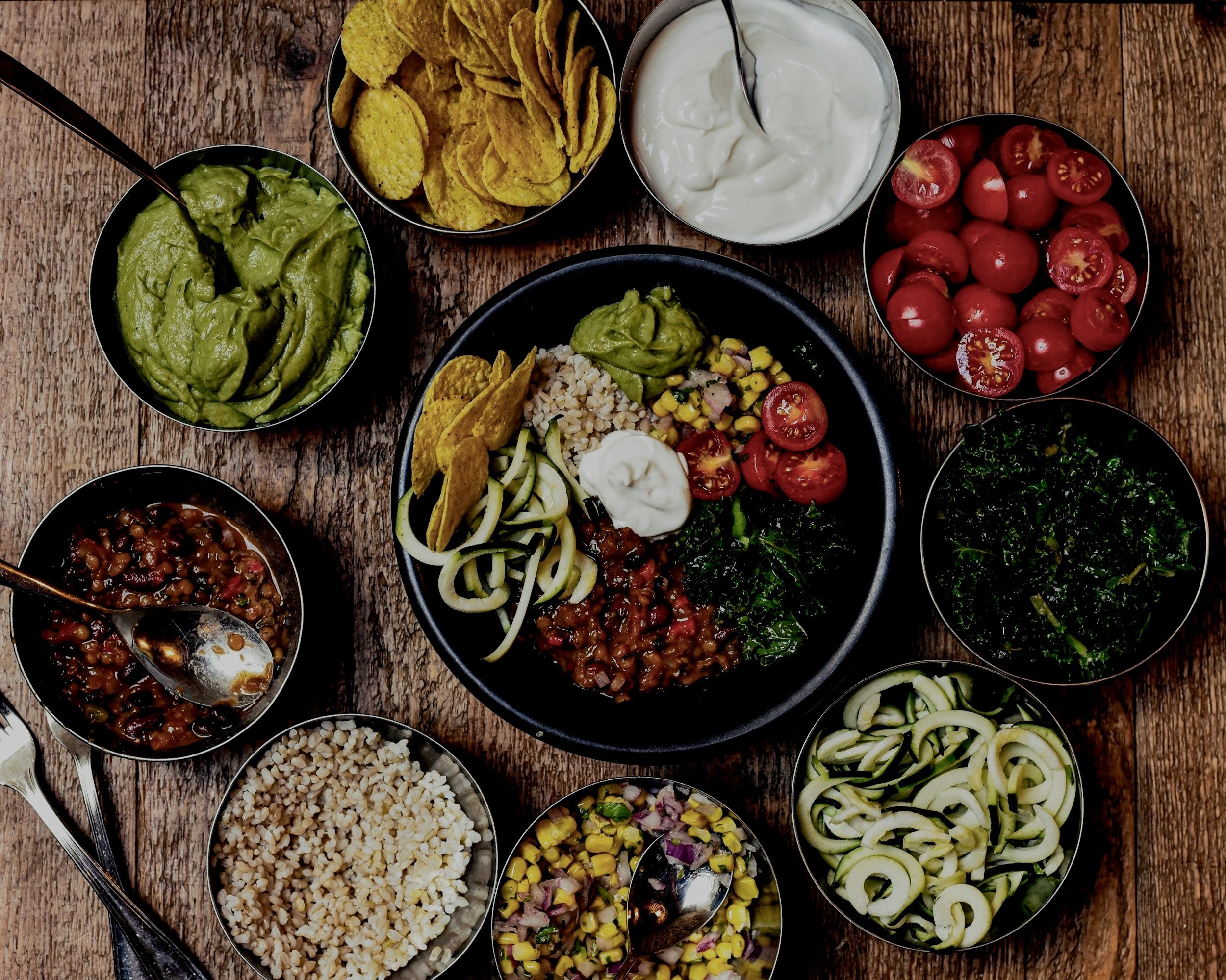
Fueling Your Body
10 MINUTE READ
Published June 2024
AUTHOR
Megan Lyons
Owner of Lyons’ Share Wellness, Double Board Certified as a Clinical Nutritionist and Holistic Nutritionist & Doctorate of Clinical Nutrition (Cand)


The basic nutrition principles every parent should know to nourish themselves and their children.

What does “healthy eating” actually mean?
Let's face it; there's a LOT of pressure to feed ourselves and our kids healthily, and a LOT of people claiming that various dietary strategies are the new miracle solution. But at the end of the day, the science shows that what is most important is mastering 3 basic areas:
Macronutrients
Micronutrients
Hydration
Breaking it down

-
The three macronutrients are protein, fat, and carbohydrates. All of them are essential! Diets that exclude or minimize any macronutrient do not bare out in the research over the long-term. Choosing at least one healthy source of each macronutrient at each meal is essential for your and your baby's health. Find one protein, one fat, and one carb each time you eat.
-
We get most of our micronutrients - which are vitamins, minerals, and antioxidants - from vegetables and fruits. Aim to include a vegetable or fruit at each meal - and in snacks wherever possible!
-
It's very common to mistake dehydration for cravings, hunger, or fatigue. Mild headaches, dry mouth, irritability or moodiness, cravings, constipation, and difficulty concentrating can all be signs of mild dehydration. If you notice dark or decreased urine, muscle cramps, dry lips or skin, or stomach pain, dehydration may have gotten more severe and it’s a good idea to seek medical attention. For ourselves and our children, staying adequately hydrated leads to better overall health.
For adults, aim to drink at least the number of ounces that equates to half of your body weight in pounds.
Babies under 6 months do not need (and should not drink) plain water, which can be introduced gradually thereafter. From ages 1-5, recommendations are around 32-48 oz of water daily, but needs vary greatly based on your child's size and activity level, the climate you live in, and how much other fluids or hydrating foods they eat regularly. It’s always a great idea to check with your pediatrician or other practitioner to confirm precise needs.

What the research says
Focusing on the basics of nutrition sets the foundation for our physical health and happiness. Nourishing our families doesn't have to be as complicated as it sometimes seems, and focusing on these three primary factors ensures that you are getting the most important nutrition in yourself and your child. Well-nourished children and parents experience many benefits, including:
Balancing macronutrients helps improve energy and satiety, and protects against blood sugar swings, cravings, and "hangry" outbursts (from ourselves or our children).
Staying adequately hydrated reduces fatigue and headaches, improves digestion, reduces cravings, improves blood pressure, supports skin, and is key to long-term health. Well-nourished and hydrated children have increased cognitive function, better learning and memory, and improved mood.
Nourishing children from an early age impacts physical, emotional, and psychological development, and is directly related to the incidence of obesity, diabetes, and cardiovascular diseases well into adulthood.
Children's taste buds are highly susceptible to what they are eating at an early age, so helping them enjoy a variety of flavors, including vegetables, at an early age will last into their adolescent and adult years.
Digestion is directly related to hydration, and improving fluid intake helps in at least 50% of the clinical cases we see. If your child (or yourself) struggles with constipation, start by helping them increase fluids and see if you notice improvement.
You can imagine how this sort of nutritional foundation would set a child up for the opportunity for success in many different areas of life. Numerous studies of children's nutrition at an early age link better nourished children to improved health outcomes later in life, including better brain function and less incidence of chronic diseases like diabetes, cancer, obesity, and inflammatory conditions.
What good nutrition may look like for your child

-
Key components of your child’s diet:
Exclusively breast milk or formula. No additional focus on macronutrients, micronutrients, or hydration - they’re all included in breast milk or formula!
Best practices for parents:
Supporting yourself and your baby is a lot of physical work! Give yourself a pat on the back.
If you are breastfeeding, rest up, and be patient with yourself.
If you are using formula, there’s a great comparison guide in the resources below.
-
Key components of your child’s diet: Adding in non-milk foods and water
Macronutrients - Many introductory foods are fruits and vegetables, which are mostly carbohydrates. Great introductory healthy fats include olive oil, avocado, and eggs. Great introductory proteins include eggs, yogurt, and pureed meats or beans.
Micronutrients - fruits and vegetables that you may introduce at this time, like pumpkin, peaches, and pureed peas, all have great micronutrients.
Hydration - you can start offering a sippy cup during meals, but milk should still be the main source of hydration.
Best practices for parents: Watch for signs of readiness, like increased interest in or grabbing for what you are eating.
Start with single-ingredient foods and introduce one food at a time in small amounts.
Let your baby feed themselves rather than putting food in their mouth yourself, as this increases the risk of choking.
Great items to start with include banana, mashed avocado, pumpkin, soft cooked eggs, pears, peaches, or plain oatmeal.
Avoid foods that are choking hazards, like nuts, seeds, popcorn, and large chunks of raw fruit or vegetables.
Be patient and do not pressure your child to eat.
New guidelines recommend introducing even the common allergens (cow's milk, eggs, peanuts, tree nuts, soy, wheat, fish, and shellfish) early and often, but doing so with a watchful eye. Food allergies can present at any point in childhood, starting now, so please seek medical attention if you suspect allergy symptoms like skin rashes, difficulty breathing, vomiting, or swelling of the face and tongue.
-
Key components of your child’s diet: Relying more on non-milk foods, and potentially weaning from breastmilk or formula entirely
Macronutrients - As more of the baby’s protein and fat comes from non-milk foods, it’s a great time to emphasize a source of protein (like meat, tofu, or beans) and a source of fat (like olive oil, fish, or avocado) in each meal.
Micronutrients - Your child’s preferences form based on the foods they’re exposed to at early ages, so try out some of the more bitter vegetables in this stage!
Hydration - Aim for around 32 oz of water daily at this stage, but let your child express preferences and account for other fluids they are consuming.
Best practices for parents:
Checkout the resource guide below from Solid Starts that outlines the right size bites based on baby’s age.
As your baby works to include more foods, you can be a great example by role-modeling healthy eating patterns.
Start feeding your baby what you eat now rather than making special meals to make it easier on everyone as they grow.
Without making a separate meal, it may be helpful to separate components for the child. For example, if you’re making a casserole with rice, chicken, and zucchini for the adults, keep the rice, chicken, and zucchini separate for the child.
Never use judgmental terms about healthier foods, like “you have to eat your vegetables first even if they’re gross.” Treat them as any other food (regardless of your own preferences) so your child will do the same.
-
Key components of your child’s diet: Consuming nutrition exclusively from non-milk food.
Macronutrients - A child of this age should start consuming about 15 grams of protein per day. This is the equivalent of 1 adult thumb sizes worth of meat, fish, yogurt, tofu, or other source of protein at 3 meals per day.
Micronutrients - Aim to help them consume 2-3 servings of vegetables and 1-3 servings of fruit per day
Hydration - Aim for around 32-48 oz of water daily at this stage, but let your child express preferences and account for other fluids they are consuming.
Best practices for parents:
Continue offering new foods and supporting your child in exploring various textures, flavors, and combinations of food.
Serving in separated plates and allowing your child to choose the order in which they eat is helpful in developing autonomy.
-
Key components of your child’s diet: Stepping into macronutrient balance and continuing micronutrient awareness.
Macronutrients - A child of this age should start consuming about 15-20 grams of protein per day. This is the equivalent of 1-2 adult thumb sizes worth of meat, fish, yogurt, tofu, or other source of protein at 3 meals per day. At this stage, having a source of each macronutrient (protein, fat, carbs) at each meal is optimal.
Micronutrients - Aim to help them consume 2-3 servings of vegetables and 1-3 servings of fruit per day
Hydration - Aim for around 32-48 oz of water daily at this stage, but let your child express preferences and account for other fluids they are consuming.
Best practices for parents:
Normalize snacking on whole foods. A Tupperware container of green beans as a stroller snack can seem completely normal to your toddler if that is what you offer.
Don't pressure vegetables, or refer to them as "healthy" or imply that they are punishment or not your favorite. They are simply another food that your family consumes.
-
Key components of your child’s diet: Eating like a smaller adult.
Macronutrients - A child of this age should start consuming about 20-30 grams of protein per day. This is the equivalent of 1-2 adult thumb sizes worth of meat, fish, yogurt, tofu, or other source of protein at 3 meals per day. At this stage, having a source of each macronutrient (protein, fat, carbs) at each meal is optimal.
Micronutrients - Aim to help them consume 2-4 servings of vegetables and 1-3 servings of fruit per day
Hydration - Aim for around 32-48 oz of water daily at this stage, but let your child express preferences and account for other fluids they are consuming.
Best practices for parents:
As your child becomes even more active, ensure their water intake is keeping up with their needs. Keep a water bottle handy at all times.
It's also a great time to experiment with different preparation methods. Try roasting a vegetable that may not have been a hit in another format - the caramelization is more appealing to most!
-
Key components of your child’s diet: Eating to fuel energy levels and growth.
Macronutrients - A child of this age should start consuming about 25-40 grams of protein per day. This is the equivalent of 2 adult thumb sizes worth of meat, fish, yogurt, tofu, or other source of protein at 3 meals per day. At this stage, having a source of each macronutrient (protein, fat, carbs) at each meal is optimal.
Micronutrients - Aim to help them consume 2-4 servings of vegetables and 1-3 servings of fruit per day
Hydration - Aim for around 32-48 oz of water daily at this stage, but let your child express preferences and account for other fluids they are consuming.
Best practices for parents:
Your child may be settling into a nutrition routine. It's normal to feel as if food preparation and a focus on health is getting boring, but remember that you're setting your child and yourself up for success for decades to come.
It's a great time to try out some new recipes, or go to the Farmer's Market to involve your children in selecting new vegetables and fruits.
It's a great time to let your child help you prepare food safely - having a role in preparation often leads to more enjoyment of the dish!
What good nutrition may look like for you as an adult

-
Recommended intake:
Dietary Guidelines suggest a minimum of 0.4 grams of protein per pound of body weight, but we recommend up to double that for optimal energy and body composition. This equals about 70-100 grams of protein for a 130-pound person, 90-120 grams of protein for a 150-pound person, 105-135 grams of protein for a 170-pound person, or 130-160 grams of protein for a 200-pound person
If you are breastfeeding, we recommend 100 grams of protein per day minimum.
Strategies to make this work for you:
25 grams of protein is about a palm size of meat, fish, beans, or yogurt, 3 eggs, or one serving of protein powder or protein bar. So if your goal is to eat 75 grams, just think “3 palms.” If your goal is to eat 125 grams, just think “5 palms.”
Let’s say you’re going for 5 palms. Think about which meal of the day is heaviest in protein for you (likely dinner). Can you get in 2 palms there? Then, work backwards - maybe you can get in 1 palm at breakfast, 1 palm at lunch, and 1 palm at snack. Don’t overthink it - just use this as a basic guideline.
-
Recommended intake:
For most people, getting about 40-50% of their calories from carbohydrates is a good starting point.
If you have body composition goals, you may want to go slightly lower carbohydrate, but we encourage you not to skimp on vegetables and fruits.
Strategies to make this work for you:
Don’t forget that fruits and vegetables are carbohydrates! In fact, we argue that they’re the best source of carbohydrates, so don’t forget to load up on them.
After fruits and vegetables, it’s great to get your carbs in as close to their natural format as possible. For example, brown rice is a healthier carbohydrate than brown rice bread (gluten-free bread made with brown rice flour), which is a healthier carbohydrate than a cookie that includes brown rice flour and several other ingredients.
For many, snacks are a source of less healthy carbohydrates. Can you shift some of your go-to options to more nourishing ones, including vegetables and dip, fruits, and protein-rich snacks like hardboiled eggs, yogurt or cottage cheese, turkey jerky, dry roasted edamame or chickpeas, or a protein-and-micronutrient smoothie?
-
Recommended intake:
For most people, getting 20-35% of caloric intake from healthy fat is optimal.
This equates to about 1-2 tablespoons of fat (like healthy oil or nut butter) with each meal, and maybe including a handful of nuts or olives as a snack.
Strategies to make this work for you:
Use Healthy Oils: Cook with heart-healthy oils like avocado oil, and drizzle olive oil over salads or cooked vegetables for added flavor and nutrition.
Add Nut Butters: Spread natural nut butters like almond or peanut butter on whole grain toast, fruit slices, or incorporate them into smoothies.
-
Recommended intake:
5-9 servings of fruits and vegetables per day is optimal, with ⅔ of those coming from vegetables.
Strategies to make this work for you:
Prep in Advance: Wash, chop, and store vegetables and fruits in the refrigerator for easy access during busy days. Having pre-cut produce readily available makes it more convenient to incorporate them into meals and snacks.
Mix into Meals: Add vegetables and fruits to favorite dishes like omelets, stir-fries, pasta sauces, or casseroles. Incorporating them into familiar meals can increase intake without significantly altering the taste or texture.
Make Smart Swaps: Swap out less nutritious options with vegetables and fruits. For example, replace chips or crackers with veggie sticks or fruit slices as a snack, or use lettuce wraps instead of bread for sandwiches.
Blend into Smoothies: Blend vegetables and fruits into delicious smoothies for a nutritious and convenient snack or meal. Combine leafy greens like spinach or kale with fruits, yogurt, and a liquid base like milk or juice for a refreshing and nutrient-packed drink.
Try New Recipes: Experiment with new recipes that feature vegetables and fruits as the main ingredients. Explore different cooking methods, such as roasting, grilling, steaming, or sautéing, to enhance flavor and texture and discover new favorite dishes.
-
Recommended intake:
Aim to drink at least the number of ounces that equates to half of your body weight in pounds. If you weigh 150 pounds, this means 75 ounces. A measuring cup is 8 ounces, and a standard Dasani or Aquafina water bottle is 16.9 ounces, so 75 ounces means about 10 cups or 4.5 standard bottles.
If you are breastfeeding, be sure to nourish yourself with more water than usual to prevent feelings of depletion or undersupply. Aim for 0.75 oz for every pound of body weight, per day, instead of the above recommendation of 0.5 ounces per pound per day.
Strategies to make this work for you:
Many new moms find water bottles labeled with times of day to be helpful. We’ve linked one we love in resources below.
It may be useful to set timers for yourself to remember to drink water.
Stash water bottles or glasses in common places, like where you breastfeed, in your car, and on your nightstand.
About the author
Megan Lyons
Doctor of Clinical Nutrition (cand), Board Certified Clinical and Holistic Nutritionist
As owner of her own wellness business, Megan has completed over 12,000 hours of 1-to-1 nutrition consulting, spoken on hundreds of stages, and reached hundreds of thousands through her…
Resources our Experts Love

Nutritionists
•
Adult mental health
•
Couples mental health
•
Infant & child mental health
•
Sleep coaching
•
Nutritionists • Adult mental health • Couples mental health • Infant & child mental health • Sleep coaching •

When to get
expert support
Sometimes you might need more support, and that's okay! Here are times you may consider reaching out to a specialist:
Excessive or insatiable hunger or cravings
Low (or no) consumption of vegetables and fruits
Difficulty putting together healthy meals or uncertainty on your overall intake
Feeling over-tired, sluggish, swollen and/or constipated
-
Systematic Review of Children's Eating Patterns (https://www.ncbi.nlm.nih.gov/pmc/articles/PMC10420931/#)
Australian Parenting Network guidelines (https://raisingchildren.net.au/toddlers/nutrition-fitness/healthy-eating-habits/vegetables)
CDC Guidelines for Healthy Eating (https://www.cdc.gov/healthyschools/nutrition/facts.htm)