
Hormone Health
Insulin Resistance
From Fatigue to Fertility
20 MINUTE READ
Published July 2024
AUTHOR
Megan Lyons
Contributing Editor, Doctor of Clinical Nutrition (cand), Board Certified Clinical and Holistic Nutritionist

Feeling like you're constantly fighting an uphill battle with your energy levels, mood swings, or stubborn weight? You're not alone, and understanding the growing phenomenon of insulin resistance might be the key to regaining control.

What is insulin resistance, and how does it impact how I feel?

Ever wonder why despite eating well and exercising, those extra pounds around your belly won't budge? Or why your energy levels fluctuate wildly throughout the day? These could be signs of insulin resistance, a condition that's increasingly common and particularly relevant for new and soon-to-be moms.
In this guide, we'll dive into what insulin resistance is, why it matters for your health now and in the future, and practical steps you can take to manage it. Understanding insulin resistance is crucial because it not only affects your immediate well-being—like mood, energy, and weight—but also has long-term implications for your health, including your risk of developing diabetes and other chronic conditions.
Breaking it down further
What is insulin resistance?

Insulin resistance occurs when your body's cells don't respond effectively to insulin, a hormone that regulates blood sugar levels. You can think of insulin like a “taxi cab” that drives its passenger (glucose, or sugar in the blood) to where it needs to go (the cells of the body, which use glucose for energy). If there are more passengers needing rides than taxi cabs (meaning we’ve eaten more sugar or carbohydrates than our bodies can handle at the time), there is more sugar in the bloodstream, which results in high blood sugar that you might see on your labwork. If this happens once or twice, it’s no big deal. However, over time, the body tries to manufacture more and more taxi cabs (insulin) and the taxi drivers are so overworked that they stop being excited to pick up passengers (in our bodies, this means the insulin no longer can do its job of shuttling glucose into the cell). This can lead to higher blood sugar and insulin levels, which can wreak havoc on the way you feel.
Why we develop insulin resistance
-
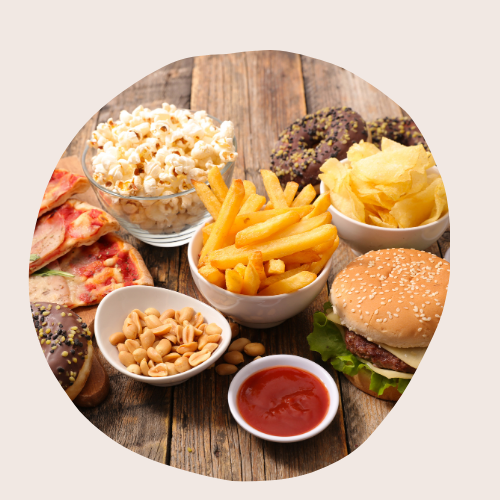
Excessive consumption of sugary and starchy foods can spike insulin levels.
-
Lack of physical activity can reduce insulin sensitivity.
-
Stress hormones like cortisol can interfere with insulin function.
-
Inadequate sleep affects glucose metabolism and insulin sensitivity.
-
Chronic inflammation is linked to insulin resistance.
-
Family history can play a role.
Signs You Might Have Insulin Resistance

-
Particularly for sugary or carb-rich foods.
-
Especially after meals.
-
Difficulty losing weight, particularly around the midsection.
-
Irritability or moodiness.
-
Dark, velvety patches of skin (acanthosis nigricans).
-
Can interfere with hormone function, impacting fertility.
-
A condition often linked to insulin resistance, characterized by irregular periods, excess hair growth, and fertility issues.
PCOS and Insulin Resistance: PCOS is a common condition among women of reproductive age that is closely linked to insulin resistance. Women with PCOS often experience hormonal imbalances that can lead to irregular menstrual cycles, infertility, and symptoms like weight gain and acne. Insulin resistance is a key factor in PCOS because elevated insulin levels can exacerbate the production of androgens (male hormones) by the ovaries, further disrupting hormonal balance and menstrual regularity. Managing insulin resistance through diet and lifestyle changes can significantly improve symptoms and support fertility in women with PCOS.

What the research says
Mood and Energy Swings: Insulin resistance can lead to unpredictable energy levels and mood fluctuations.
Weight Loss Resistance: Struggling to lose weight, especially around the belly, is a common sign.
Hormone Imbalance: Can interfere with sex hormones, affecting menstrual cycles and fertility.
Sleep Issues: Poor blood sugar control can impact sleep quality.
Long-Term Health Risks: Increases the risk of developing type 2 diabetes, heart disease, and other chronic conditions.
Fertility Concerns: Hormonal imbalances can make it harder to conceive.
Your insulin resistance prevention checklist
Taking steps to prevent and manage insulin resistance doesn't mean you have to change everything overnight. You’re human, after all! We suggest using this checklist as a guide to make small, sustainable changes in your diet and lifestyle. Start by incorporating one or two items from each category, and gradually build on your progress. If you like to physically check things off, give yourself a star on a post-it note each time you complete something from the list and watch them add up. Remember, consistency is more important than perfection, and even small changes can make a big difference over time!
DIETARY CHANGES
-
Focus on vegetables, fruits, lean proteins, and healthy fats.
-
Opt for complex carbohydrates with fiber instead of refined carbohydrates (e.g. a potato instead of potato chips, or quinoa instead of quinoa pasta).
-
Ensure each meal has a balance of protein, fat, and fiber. See our “Fueling Your Body” lesson for more!
-
Choose snacks that stabilize blood sugar, such as nuts, seeds, and yogurt. See our “Mastering Mealtimes” lesson for more!
-
Drink plenty of water throughout the day. See our “Fueling Your Body” lesson for more!
-
Reduce intake of processed and packaged foods high in additives and sugars. See our “Stabilizing Blood Sugar” lesson for more!
LIFESTYLE CHANGES
-
Aim for at least 30 minutes of moderate exercise most days of the week. Remember that dancing with a kiddo, walking with a stroller, or even vigorously cleaning the home all count as exercise!
-
Practice stress-reducing activities like yoga, meditation, or deep breathing. A few deep breaths while breastfeeding or a 5-minute meditation before bed both count. We don’t need anything crazy!
-
Aim for 7-9 hours of quality sleep per night. We know this can be hard depending on what stage your kid(s) are in right now. Just commit to yourself to do what you can to prioritize it - even 10 minutes more per night adds up!
-
Incorporate movement throughout the day, even if it’s just a short walk. In addition to actual exercise, moving around daily really helps!
-
Regularly check your blood sugar levels if you have risk factors for insulin resistance like a family history of diabetes, or a gestational diabetes or elevated blood sugar diagnosis. Our nutrition and functional medicine practitioners can work with you to order labs if needed.
SUPPLEMENTS TO CONSIDER
It’s important to remember that supplements should be customized to each individual, and what’s right for one may not be right for another. However, if you’re looking to supplement, there are great places to start, and our favorite products are linked in the resources below.
-
Known for its ability to improve insulin sensitivity and lower blood sugar levels.
-
Helps regulate blood sugar and improve insulin function.
-
Supports glucose metabolism and reduces insulin resistance.
-
Anti-inflammatory properties can help improve insulin sensitivity.
-
Known to improve insulin sensitivity and lower blood sugar levels.
About the author
Megan Lyons
Owner of Lyons’ Share Wellness, Double Board Certified as a Clinical Nutritionist and Holistic Nutritionist & Doctorate of Clinical Nutrition (Cand)
As owner of her own wellness business, Megan has completed over 12,000 hours of 1-to-1 nutrition consulting, spoken on hundreds of stages, and reached hundreds of thousands through her…
Resources our Experts Love

Highlights from podcast interview with Megan Lyons and Dr. Morgan Nolte on insulin resistance ↗
Supplement recommendations including above mentioned supplements↗
Dr. Morgan Nolte tips to reduce insulin resistance ↗
Why We Get Sick by Dr. Ben Bickman↗
Good Energy: The Surprising Connection Between Metabolism and Limitless Health↗
Nutritionists
•
Adult mental health
•
Couples mental health
•
Infant & child mental health
•
Sleep coaching
•
Nutritionists • Adult mental health • Couples mental health • Infant & child mental health • Sleep coaching •

When to get
expert support
Sometimes you might need more support, and that's okay! Here are times you may consider reaching out to a specialist:
Persistent Symptoms: If you notice ongoing symptoms of insulin resistance, such as constant fatigue, cravings, or weight gain, it’s time to seek professional advice. Our team of functional medicine trained nutritionists is ready and willing to help you out!
Difficulty Losing Weight: If despite efforts, you can’t seem to shed the pounds, consult a healthcare provider.
Family History: If diabetes or insulin resistance runs in your family, regular check-ups are crucial.
Fertility Issues: If you’re struggling to conceive, hormone imbalances linked to insulin resistance might be a factor.
Chronic Health Concerns: If you have other conditions like high blood pressure or cholesterol, addressing insulin resistance can be part of a broader health strategy.
-
Freeman, A. M., & Pennings, N. (2019). Insulin Resistance. Nih.gov; StatPearls Publishing. https://www.ncbi.nlm.nih.gov/books/NBK507839/
Mesarwi, O., Polak, J., Jun, J., & Polotsky, V. Y. (2013). Sleep Disorders and the Development of Insulin Resistance and Obesity. Endocrinology and Metabolism Clinics of North America, 42(3), 617–634. https://doi.org/10.1016/j.ecl.2013.05.001
Weickert, M. O. (2012). Nutritional Modulation of Insulin Resistance. Scientifica, 2012, 1–15. https://doi.org/10.6064/2012/424780
https://www.rupahealth.com/post/guarding-your-health-proactive-steps-to-ward-off-insulin-resistance
https://www.ifm.org/news-insights/inflammation-insulin-resistance/