
Finding Balance and Getting Energy
Toxin Awareness
Identifying and eliminating environmental toxins
10 MINUTE READ
Published July 2024
AUTHOR
Megan Lyons
Contributing Editor, Doctor of Clinical Nutrition (cand), Board Certified Clinical and Holistic Nutritionist

Have you ever considered the hidden toxins in your home that could be impacting your health? From the plastics in your kitchen to the personal care products in your bathroom, everyday items could be exposing you to harmful chemicals. It’s not about avoiding them completely (that’s impossible in modern life), but if you’re feeling unreasonably puffy or sluggish, or have headaches and digestive issues, it might be the next critical step you’ve never thought to consider.

What do you mean by toxins anyway?
Have you ever wondered about the invisible dangers lurking in your home? Environmental toxins are chemicals and pollutants that can be found in the air, water, soil, and products we use every day. These toxins can come from plastics, personal care products, household cleaners, and even your home's building materials. Understanding these hidden dangers is crucial because long-term exposure can lead to serious health issues, including hormonal imbalances, respiratory problems, and chronic diseases. In this primer, we'll explore common sources of environmental toxins, how they impact your health, and practical steps you can take to minimize your exposure.
Breaking it down further
Common sources of environmental toxins

Understanding where toxins come from is the first step in reducing exposure. Here are some prevalent sources:
-
Found in water bottles, food containers, and plastic wrap.
BPA and phthalates can leach into food and drinks, especially when heated.
-
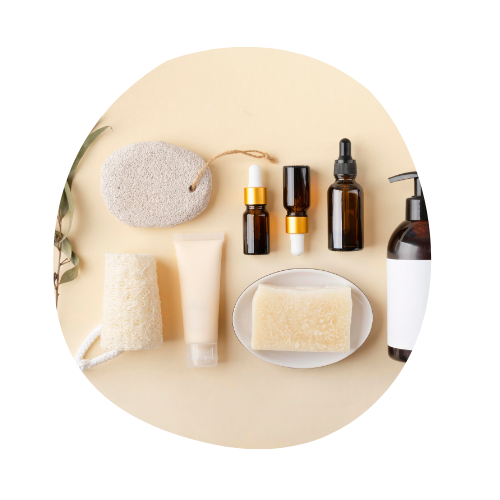
Shampoos, lotions, makeup, and deodorants often contain these chemicals.
They can disrupt hormones and cause skin irritation
-
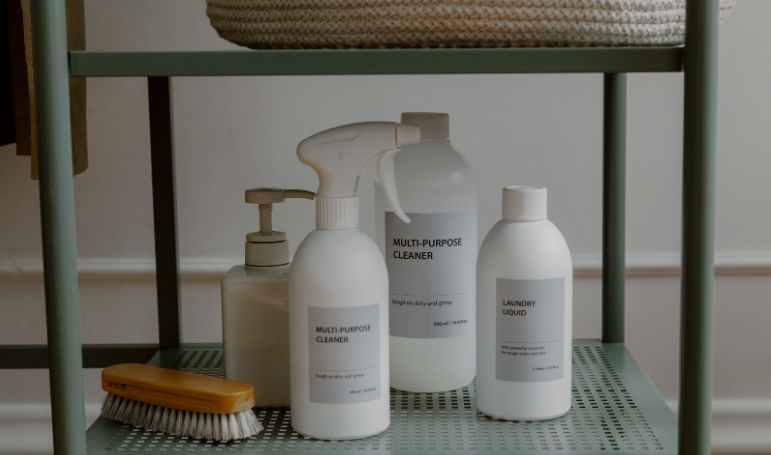
Many cleaning products contain harsh chemicals like ammonia, bleach, and triclosan.
These can cause respiratory issues and skin irritation.
-
Grows in damp environments like bathrooms, basements, and around leaks.
Mold spores can cause allergies, respiratory issues, and weaken the immune system.
-
Used in gardens and on lawns.
Exposure can lead to neurological and hormonal issues.
-
Found in old paint, contaminated water, and some seafood.
Can cause a range of health problems, from cognitive issues to kidney damage.
-
Often contain synthetic fragrances and chemicals like formaldehyde.
Can contribute to indoor air pollution and respiratory problems.
-
Used in many non-stick pans and cookware.
Chemicals can leach into food, especially when cookware is scratched or overheated.
Recognizing signs of toxic exposure

It's normal to experience occasional symptoms like headaches, fatigue, or skin irritations. However, when these symptoms become persistent or are accompanied by other unexplained health issues, it may be a sign of chronic exposure to environmental toxins. Consider the following factors to help differentiate between passing symptoms and those that might indicate toxic exposure:
-
Pay attention to how often you experience symptoms and how long they last. Occasional headaches or a bout of fatigue may not be concerning, but if these issues become chronic or occur in patterns, such as daily or weekly, they may be linked to toxin exposure.
-
Look for patterns where multiple symptoms occur together. For instance, experiencing chronic fatigue, brain fog, and skin rashes simultaneously could indicate a more systemic issue related to toxins rather than isolated occurrences.
-
Consider if your symptoms worsen in specific environments or after using certain products. For example, if you feel worse after cleaning your home, using certain personal care products, or spending time in a specific room, this could point to a toxin source.
-
Notice if symptoms improve after making lifestyle or environmental changes, such as switching to non-toxic cleaning products, using air purifiers, or eliminating certain foods. Improvement after these changes can indicate that toxins were contributing to your health issues.
If you notice a pattern of persistent symptoms, it may be time to investigate further with a practitioner, and consider environmental toxins as a potential cause. Here's a list of common signs that may indicate toxic exposure:
Frequent headaches and migraines
Chronic fatigue and low energy levels
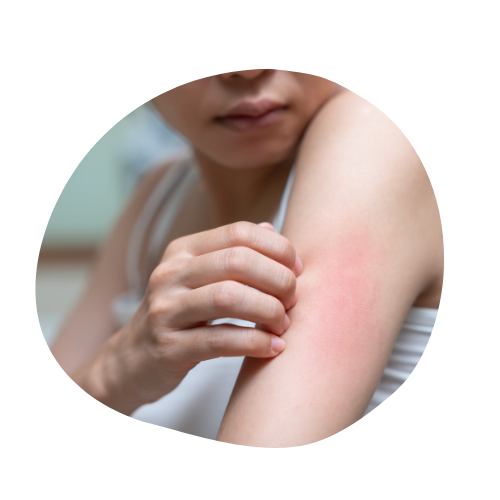
Skin rashes or unexplained skin conditions
Hormonal imbalances (irregular periods, thyroid issues)
Respiratory issues (chronic cough, asthma)
Digestive problems (bloating, IBS)
Cognitive issues (brain fog, memory problems)

What the research says
Hormone Disruption: Many toxins, like BPA and phthalates, mimic hormones and can disrupt endocrine function, leading to issues such as infertility, thyroid problems, and metabolic disorders.
Respiratory Health: Chemicals from cleaners, mold, and air fresheners can cause or exacerbate respiratory issues, including asthma and allergies.
Neurological Impact: Heavy metals and pesticides can affect brain function, contributing to cognitive decline, memory issues, and neurological diseases.
Child Development: Exposure to toxins can impact the development of children, leading to behavioral issues, developmental delays, and lower IQ.
Chronic Diseases: Long-term exposure to toxins can increase the risk of chronic diseases, including cancer, autoimmune disorders, and cardiovascular diseases.
How to implement in your own home
Reducing the toxins in your home can feel overwhelming, but you don't need to change everything at once. Instead, focus on one area at a time. Start by replacing items as they run out with healthier alternatives. Small, gradual changes can have a significant impact over time. Here are practical steps you can take to reduce your exposure to environmental toxins:
-
Replace plastic food storage containers with glass or stainless steel to avoid BPA and phthalates. See some of our favorites below.
Commit to never microwaving in plastic - heating the plastic encourages more leaching of BPA and other chemicals into our food.
Opt for organic fruits and vegetables to reduce pesticide exposure. Prioritize the "Dirty Dozen" list for organic options if budget is a concern. See the link in resources below.
Replace conventional cleaners with natural alternatives like vinegar, baking soda, and castile soap. We love the Branch Basics starter kit listed in resources, which can be turned into all kinds of household cleaners.
Avoid Non-Stick Cookware: Use stainless steel, cast iron, or ceramic cookware to avoid PFOA and other chemicals. See some of our favorites linked in resources.
If you use non-stick cookware, avoid overheating and replace any scratched items.
Filter Your Water: Use a water filter to reduce contaminants like lead, chlorine, and other toxins. Consider a high-quality countertop filter like the Berkey or a reverse osmosis system for more thorough filtration.
-
Read Labels Carefully: Avoid products with parabens, phthalates, synthetic fragrances, and other harmful chemicals. If you see anything called “paraben” in the ingredients list, or the words “fragrance” or “parfum,” it’s best to pick another option. If the front says “paraben-free,” “phthalate-free,” or “fragrance-free,” you’re on the right track!
Look for certifications like USDA Organic or EWG Verified.
Use natural shampoos, conditioners, and soaps made with organic ingredients.
Avoid Fragrance: Choose unscented products or those scented with essential oils.
Avoid air fresheners and scented candles that contain synthetic fragrances.
Simplify your skincare routine with fewer products.
-
Control Humidity: Use dehumidifiers in damp areas to prevent mold growth.
Regularly clean and maintain HVAC systems.
If your home was built before 1978, check for lead-based paint.
Use Air Purifiers: Invest in air purifiers with HEPA filters to reduce indoor air pollutants. We’ve linked our favorite in the resources.
Avoid Pesticides: Use natural pest control methods like diatomaceous earth, neem oil, or essential oils.
Ventilate Your Home: Open windows regularly to let fresh air in and reduce indoor air pollution.
Use exhaust fans in kitchens and bathrooms to remove contaminants.
About the author
Megan Lyons
Owner of Lyons’ Share Wellness, Double Board Certified as a Clinical Nutritionist and Holistic Nutritionist & Doctorate of Clinical Nutrition (Cand)
As owner of her own wellness business, Megan has completed over 12,000 hours of 1-to-1 nutrition consulting, spoken on hundreds of stages, and reached hundreds of thousands through her…
Resources our Experts Love

Glass snapware ↗
Our Place ceramic Always pan ↗
Glass food storage pantry containers ↗
EWG’s Dirty Dozen produce list ↗
Legend stainless steel cookware ↗
Berkey water filter ↗
Levoit small room air filter ↗
Levoit large room air filter ↗
EWG’s Skin Deep Database: Information on the safety of personal care products ↗
Environmental Working Group’s Guide to Healthy Cleaning: Ratings for the safety of household cleaning products ↗
Nutritionists
•
Adult mental health
•
Couples mental health
•
Infant & child mental health
•
Sleep coaching
•
Nutritionists • Adult mental health • Couples mental health • Infant & child mental health • Sleep coaching •

When to get
expert support
Sometimes you might need more support, and that's okay! Here are times you may consider reaching out to a specialist:
If you experience chronic health issues that don't improve with lifestyle changes, consult a healthcare professional like our functional medicine specialists at Triplemoon to get testing and develop a protocol to clear your body of toxins.
If you suspect mold in your home, especially if someone in your household has respiratory issues, seek professional mold remediation services.
If you need personalized advice on reducing toxin exposure and improving your health, work with a functional medicine practitioner to develop a tailored health plan.
-
DeBeer, B. B., Davidson, D., Meyer, E. C., Kimbrel, N. A., Gulliver, S. B., & Morissette, S. B. (2017, January). The association between toxic exposures and chronic multisymptom illness in veterans of the wars of Iraq and Afghanistan. Journal of occupational and environmental medicine. https://pubmed.ncbi.nlm.nih.gov/28045798/
Rea, W. J., Didriksen, N., Simon, T. R., Pan, Y., Fenyves, E. J., & Griffiths, B. (2017, June 21). Effects of toxic exposure to molds and mycotoxins in building-related illnesses. Archives of environmental health. https://pubmed.ncbi.nlm.nih.gov/15143852/
VibrantWellness. (n.d.). Total tox burden test. Total Tox Burden by Vibrant Wellness - Learn More. https://vibrant-wellness.com/test/TotalToxBurden